

How To Save Money On Airline Tickets
Learn smart tips on how to save money on airline tickets with practical strategies for cheaper flights and better deals.

Learn smart tips on how to save money on airline tickets with practical strategies for cheaper flights and better deals.
Hunting for cheap flights can feel like trying to catch a moving target: prices change, rules shift, and one wrong click can cost you a small fortune. In the Best Apps For Travel world, savvy tools like fare comparison, price alerts, flexible date searches, loyalty miles, fare calendars, promo codes, and cashback offers make the difference between paying full fare and scoring a deal. Want clear, practical steps to cut fees, find seat sales, use rewards, and book smarter? This guide lays out simple tactics and actionable strategies to help you lower your airfare and travel more for less.
One of the easiest ways to lock in savings is Autopilot's automatic flight credits, which find refunds and convert them into usable credits so you keep more of your money without the hassle.
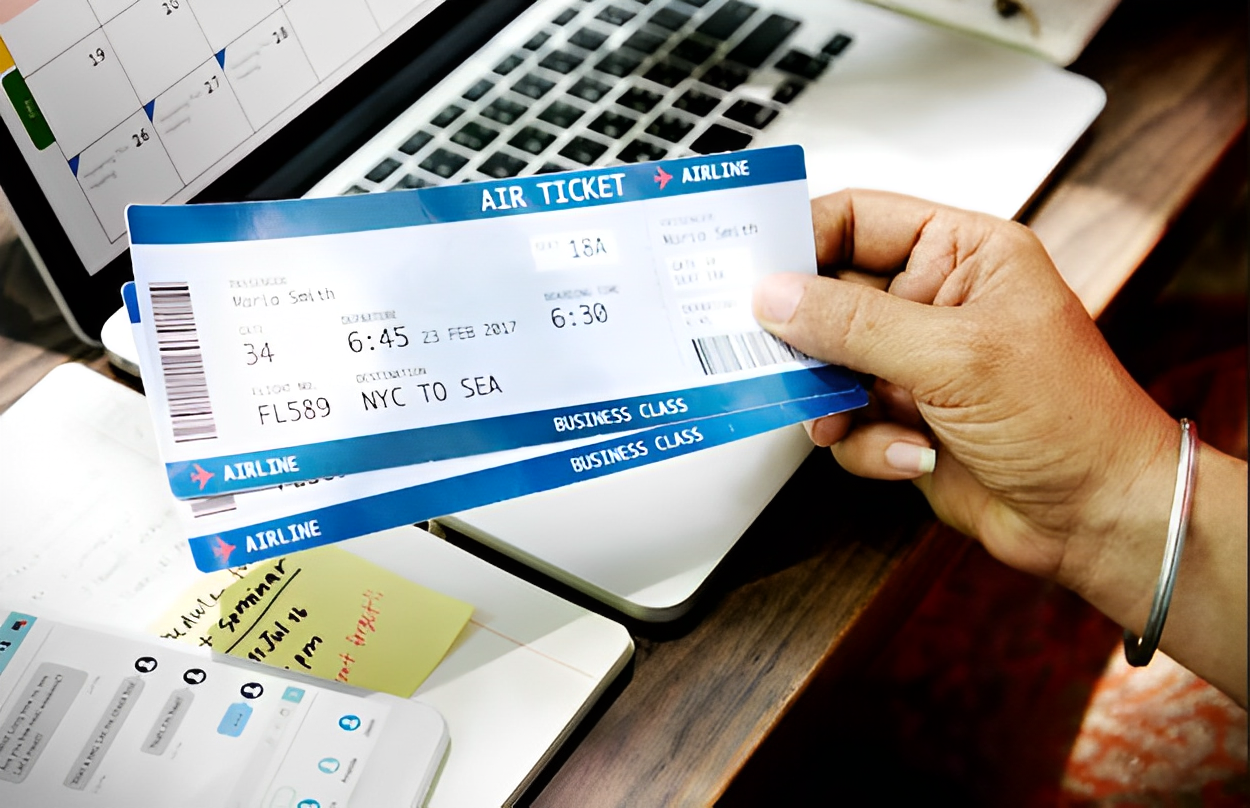
The single most effective way to save money on airline tickets is to remain flexible about your travel dates. Flight prices often fluctuate significantly based on the day you choose to fly. For example, travelling a few days earlier or later can slash your ticket price dramatically. If you are flexible around busy travel periods like holidays, this can be especially impactful. Flights booked for peak days tend to be much pricier.
For example, flying from New York to Orlando during Thanksgiving can cost over $600, but shifting your flight a few days earlier might reduce it to almost half. This flexibility is crucial if you want to save substantially, particularly when booking for multiple passengers, where price differences multiply.
Earning and redeeming airline miles or credit card points is a potent way to lower the cost of flights. Award travel allows you to snag discounted or even free tickets, sometimes in premium classes. However, availability varies, and it often requires persistence to find reward seats. For instance, a costly one-way ticket from Los Angeles to Paris might be obtained for a fraction of the cash cost using points.
You can quickly build a substantial points balance by signing up for airline or travel credit cards that offer large welcome bonuses after meeting spending thresholds. Cards like United Explorer, Southwest Rapid Rewards, Delta SkyMiles Amex, and Chase Sapphire Preferred are popular choices that give access to valuable miles and travel benefits.
Booking flights during the offseason or shoulder seasons can lead to considerable savings. Off-peak times, often during spring or fall, mean less demand for flights and lower prices. This reduces airfare as well as costs for accommodation and local amenities since fewer tourists visit during these periods.
For example, flying to Greece in September may cost significantly less than travelling during peak summer months. By avoiding peak travel seasons, you also experience less crowded destinations and potentially more enjoyable vacations.
Timing your flight purchase can affect ticket prices. Research suggests the best window to book international flights to Europe is about 120 days in advance. For domestic flights, the sweet spot is closer to 60 days before departure. Airlines adjust fares based on demand predictions, so monitoring price trends and buying tickets within these optimal periods can save you money.
Tools like Google Flights help track fare changes and provide recommendations on when to book for the best price. Using such price trackers allows you to buy tickets when they are at their lowest, avoiding unnecessary extra costs.
Price alert features notify you when flight fares drop. Platforms like Autopilot offer this functionality. Simply search your desired route and enable price tracking to receive email notifications about fare changes.
Some portals, like Autopilot, also go further by offering price drop refunds; if the price of your booked flight falls, they’ll reimburse the difference. This proactive approach helps you monitor fares without constantly rechecking, ensuring you capitalize on price reductions as soon as they happen.
One of the easiest ways to save money on flights is by packing light and avoiding checked baggage fees. Many airlines, especially low-cost carriers, charge additional fees for checked bags, which can add significantly to your total travel cost. Travelling with just a carry-on bag not only saves money but also speeds up your airport experience.
By carefully planning what to bring and limiting yourself to essentials, you reduce the need for checked luggage. This approach allows you to take advantage of cheaper fare classes that don’t include free checked bags, ultimately lowering the total cost of your trip.
Though it may seem like an extra cost, purchasing travel insurance ahead of your trip can protect your investment against unexpected problems such as cancellations, lost luggage, or missed flights. Many credit cards offer travel insurance as part of their benefits, which can cover significant risks without additional purchases.
Stand-alone travel insurance policies provide comprehensive coverage, including optional “Cancel For Any Reason” plans that reimburse partial trip costs even if you cancel for non-covered reasons. This peace of mind can prevent financial loss due to last-minute disruptions.
If you’re traveling as a group, try searching for individual one-way tickets in addition to booking multiple seats at once. Sometimes airlines price individual tickets lower than blocks of tickets, especially for economy flights. Purchasing tickets separately could lead to overall savings.
However, when booking solo fares for a group, it’s wise to contact the airline to link the reservations. This ensures all passengers are on the same flight and allows for easier coordination in case of schedule changes. Be mindful that seating arrangements might be less predictable when tickets are booked individually.
Buying two one-way tickets rather than a traditional round-trip can sometimes slash your airfare. Airlines price round-trips differently, and mixing carriers for your outbound and return flights can yield better deals. Even if it means flying the return leg with a different airline, the savings can be worth the extra planning.
This approach also gives you flexibility with flight times and destinations. Searching for the best combination of single flights rather than sticking with one round-trip ticket can help uncover hidden discounts and exclusive pricing.
In the United States, a Department of Transportation rule allows you to cancel domestic airline tickets within 24 hours of booking without penalty, provided you book at least seven days before your flight. This rule is a powerful tool for saving money if you spot a cheaper fare soon after booking.
You can book a ticket at the current price, then monitor fares for 24 hours. If prices drop significantly, cancel your initial booking risk-free and rebook at the lower rate. This strategy requires vigilance but can result in notable savings without extra fees.
Sometimes, changing the currency or the country location in your booking portal can reveal different prices for the same flights. Airlines may price tickets differently depending on the currency or the country from which you are searching. Opening separate browser windows set to different currencies or locations lets you compare and potentially save.
It's important to note that clearing your cookies won’t affect flight prices, as there's no evidence that airlines increase fares based on repeated searches. When trying this trick, remember that the price difference can go either way, and sometimes booking in the airline’s home currency is cheaper.
Being open to different destinations opens up opportunities to catch exceptional fare deals. Websites like Autopilot track discounted flight prices and send alerts when prices drop dramatically. These deals often cover a wide range of places, sometimes including business class tickets with attractive perks.
While these offers might not always align with your exact travel plans, they provide excellent chances to book flights at rock-bottom prices. Keeping an eye on these sites can quickly alert you to deals that stretch your travel budget further..
Stop losing money on flights you've already booked; Autopilot automatically monitors your premium cabin and business travel for price drops and secures instant credits when airlines lower fares, while you focus on what matters most. For frequent flyers who book two or more flights monthly, this is real money back without lifting a finger — join thousands of business travelers who recovered hundreds on flights they thought were final purchases and start earning automatic flight credits today.
Source:
https://www.withautopilot.com/

Yes, there are practical tricks to pay less for flights, and one of the most effective is booking flights with stopovers. A stopover is when you intentionally break your journey for 24 hours or more in a city between your departure and final destination. This lets you explore an extra town without needing another ticket. Airlines often price these connecting flights lower than nonstop ones to fill seats on less popular routes, making stopovers a cost-saving tactic.
Stopovers turn a simple flight into a mini adventure. You get to visit an additional place at little or no extra cost. Some airlines actively promote stopovers by offering perks like discounted hotels or city tours. This means you not only save money but also enhance your travel experience with added cultural exposure and rest breaks on long journeys.
To use this trick, book your trip through the airline’s multi-city or stopover booking tool. Be flexible with your travel dates and research which airlines have convenient stopover programs. Airlines like TAP Air Portugal, Icelandair, Qatar Airways, and Turkish Airlines are known for generous stopover deals, sometimes including hotel stays or guided tours for free or at a discount.
Not all stopovers cost less, so it is essential to compare prices and avoid third-party sites. Booking directly with the airline helps you manage your itinerary easily and avoid unexpected fees. Also, make sure you understand baggage rules and visa requirements for your stopover city.
Planning stopovers is a clever way to get cheaper flights while adding value to your journey. It requires some flexibility and research, but it can significantly reduce your travel costs and expand your travel horizons without the need for extra plane tickets.

Airlines change fares continually with dynamic pricing. They react to demand, competitor moves, remaining seats, and time before departure. That means a single best weekday to purchase does not exist. Data from major search engines shows the day of purchase usually shifts prices only a little. Instead of chasing a magic weekday, watch price trends and be ready when a fare meets your target.
Flight dates and times influence cost more than when you click buy. Flights on Tuesdays and Wednesdays often cost less because fewer travelers fly then. Early morning and late-night red-eye flights can also be cheaper. Weekend travel and holidays push prices up fast. For many domestic trips, flexibility around mid-week saves more than waiting for a specific booking day.
Booking windows vary by route and season. Domestic routes aim to book about three weeks to three months ahead for the best mix of choice and price. For international travel, plan for popular destinations, typically two to six months in advance, while some short international hops show lower fares closer in. Last-minute deals do happen for low-demand flights, but they are unreliable if you must travel on specific dates.
Be flexible with dates and nearby airports so you can use fare calendars and price comparison tools. Search one way and separate airlines if that lowers cost. Watch out for baggage fees, seat selection charges, and change fees when comparing totals. Use travel rewards and credit card points to save big on fares. Consider multi-city or adding a stopover to access lower fares. Sign up for airline newsletters to catch flash sales and rare error fares.
Set fare alerts on Autopilot so you get notified when prices fall. Use price history charts and fare calendars to judge whether a price is high or low for that route. Consider price prediction features that estimate likely increases. Use OTAs alongside airline sites to compare, but check final totals because baggage and seat fees can differ. Want help setting alerts for a specific route or date range now?
Low base fares often come with extra fees. Budget airlines can offer cheap tickets but charge for baggage, seat choice, and boarding order. Round-trip versus two one-way tickets can swing either way depending on the market. Refundable fares cost more but offer flexibility if plans change. Watch fuel surcharges and foreign transaction fees when booking with international carriers.
Airlines run sales at different times. Holidays, slow travel seasons, and competitive route launches trigger discounts. Follow airlines and fare deal accounts on social media and use newsletters to be first on flash sales. Error fares appear occasionally and require fast booking and possible risk, since not all get honored.
Tell me the cities and rough travel dates, and I will set up the best mix of alerts, price history checks, and route options so you see when a fare matches your budget.

Autopilot monitors the fares you've already locked in and secures credits whenever airlines reduce prices on premium cabin and business class tickets. It runs continuously, comparing the original fare to current fares, and automatically claims refunds or instant credits, so you don't have to lift a finger. Want to stop leaving money on the table and get those credits back?
After you connect a booking or forward a confirmation, Autopilot scans airline price changes, fare rules, and refund windows. When the system identifies a lower published fare that qualifies for a retroactive credit or price adjustment, it files the claim, obtains the credit, and applies it to your account or issues a travel voucher, depending on the airline's policy, which may include avoiding manual refund hunting and minimizing long hold times with customer service.
Business travelers who book two or more flights each month see the most significant returns. Premium cabin passengers often pay flexible fares and premium amounts that create meaningful credit opportunities when fares drop. Corporate travel managers win back budget without extra paperwork. Which of your trips would you want checked for reclaimable value?
Autopilot targets paid premium and business class fares where carriers offer price adjustments or credits. The platform checks fare rules, refund policies, and published price histories for major airlines and files claims when rules allow. Have a ticket to review now and want to know whether it qualifies?
You provide booking details so Autopilot can match tickets to published fares; the system keeps credentials and confirmations secure and only uses them to pursue credits on your behalf. Integration seamlessly fits into existing travel workflows and corporate travel platforms, eliminating the need for additional steps for travelers. How would a secure, automated refund workflow change your monthly travel routine?
Want to check a recent booking and see potential savings right away?

