

12 Best Ways To Save For Travel
Discover the 12 best ways to save for travel with practical tips to cut costs, budget smarter, and reach your dream destination sooner.

Discover the 12 best ways to save for travel with practical tips to cut costs, budget smarter, and reach your dream destination sooner.
You spot a great fare, but the month’s bills have already eaten your travel money, sound familiar? In the roundup of Best Apps For Travel, the tools that matter are the ones that help you save as well as search, pairing budgeting, expense tracking, price alerts, and rewards. This post offers practical saving strategies, including setting a dedicated travel fund, tracking expenses, and leveraging cashback, loyalty points, and travel deals, to help you prioritise spending and afford the trips you want. Want to stop postponing trips and start booking them?
Autopilot's automatic flight credits make that practical by turning spare change, round-up transfers, and fare drops into usable flight credits, so your travel savings grow without extra effort. It keeps your budget clear and helps you focus spending on the experiences that matter.
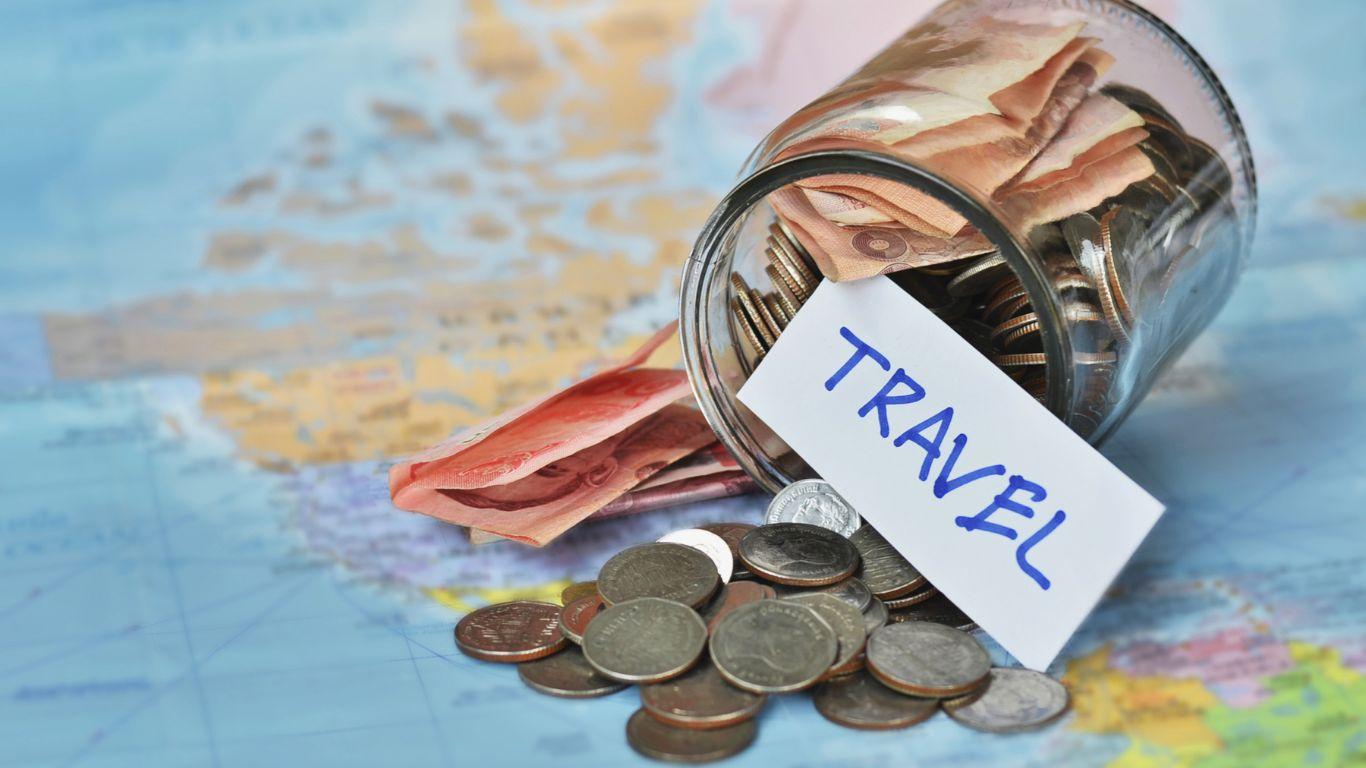
The foundation of any successful travel savings plan is setting a clear and firm budget. Begin by deciding where you want to go and when, then tally up all anticipated costs. This includes flights or gas, accommodation, local transport, meals, planned activities, souvenirs, and even home care expenses like pet sitting. Having a precise figure transforms your vacation from a vague dream into a tangible financial goal, making saving focused and purposeful.
Separating your travel fund from your regular accounts helps keep your vacation savings on track. By opening a special savings account just for your trip, you can clearly monitor your progress and resist the temptation to dip into these funds for everyday spending. This step also psychologically reinforces your commitment to the goal, as the money visibly grows over time.
To stay disciplined without constant effort, set up automatic transfers to your vacation savings account. You can schedule transfers aligned with your paydays or weekly/monthly intervals. This "set-it-and-forget-it" method ensures steady progress and reduces the chances of spending money intended for your trip on other expenses. Automation removes friction and makes saving a natural part of your financial routine.
Increasing your ability to save for travel often starts with improving your overall financial health. Paying off debt can free up money that was previously earmarked for monthly payments, allowing you to funnel more cash directly into your vacation fund. Less debt means greater cash flow, which accelerates your savings pace and reduces financial stress when planning your trip.
Bonuses, tax refunds, birthday gifts, or any other financial windfalls can significantly boost your travel savings. Instead of spending these unexpected sums on day-to-day expenses, direct some or all of the money into your vacation account. This technique helps you reach your travel goals faster by making occasional gains work towards meaningful experiences rather than temporary consumption.
One of the most effective ways to save quickly is to adopt no-spend months, where spending is limited strictly to essentials like rent, groceries, and utilities. By consciously avoiding discretionary purchases during these periods, you accumulate a savings surplus that can then be moved straight into your travel fund. This practice builds discipline, raises awareness of spending habits, and rewards you with faster progress toward that dream trip.
Housing expenses often consume the most significant portion of monthly income. To save significantly, consider reducing your rent by getting roommates or moving to a smaller, less expensive space. Moving back in with family temporarily can save even more. These steps can free up substantial funds each month that you can redirect toward your travel savings.
Minor adjustments to utilities add up quickly. Replace energy-inefficient appliances with more efficient models, switch to cost-effective energy providers, and swap out old bulbs for LED ones. By monitoring and optimizing energy use, you can reduce your monthly bills and save more quickly. Every little reduction counts toward reaching your travel fund faster.
For longer trips, consider taking your job on the road by working remotely. This approach eliminates the pressure to save an enormous lump sum before departure and can sometimes be cheaper than staying home, especially if you choose a less expensive location. Balance is key. Mix workdays with taking actual vacation time to enjoy your destination while maintaining income flow.
Tiny daily expenses add up over time. Examine your monthly spending and identify costs that can be trimmed, such as dining out less, cancelling unused subscriptions, opting for generic brands over premium, or bringing your own meals while traveling. These small savings, when consistently redirected to your travel fund, can quickly build momentum toward your goal.
Declutter your home by selling items you no longer use, whether through online marketplaces or yard sales. This not only frees space but also gives your travel fund a welcome boost. Additionally, consider ways to increase your income by asking for more hours, pursuing freelance gigs, or launching a side hustle. Increasing your earnings can accelerate your savings without cutting into your lifestyle too much.
Being strategic about your flights can lead to significant savings. Use a website like Autopilot to compare prices and set price alerts to catch deals. Booking flights midweek (Tuesday or Wednesday) is often cheaper than weekends. Also consider layovers or stopovers, which can reduce costs and even offer a chance to explore another city for little extra money.
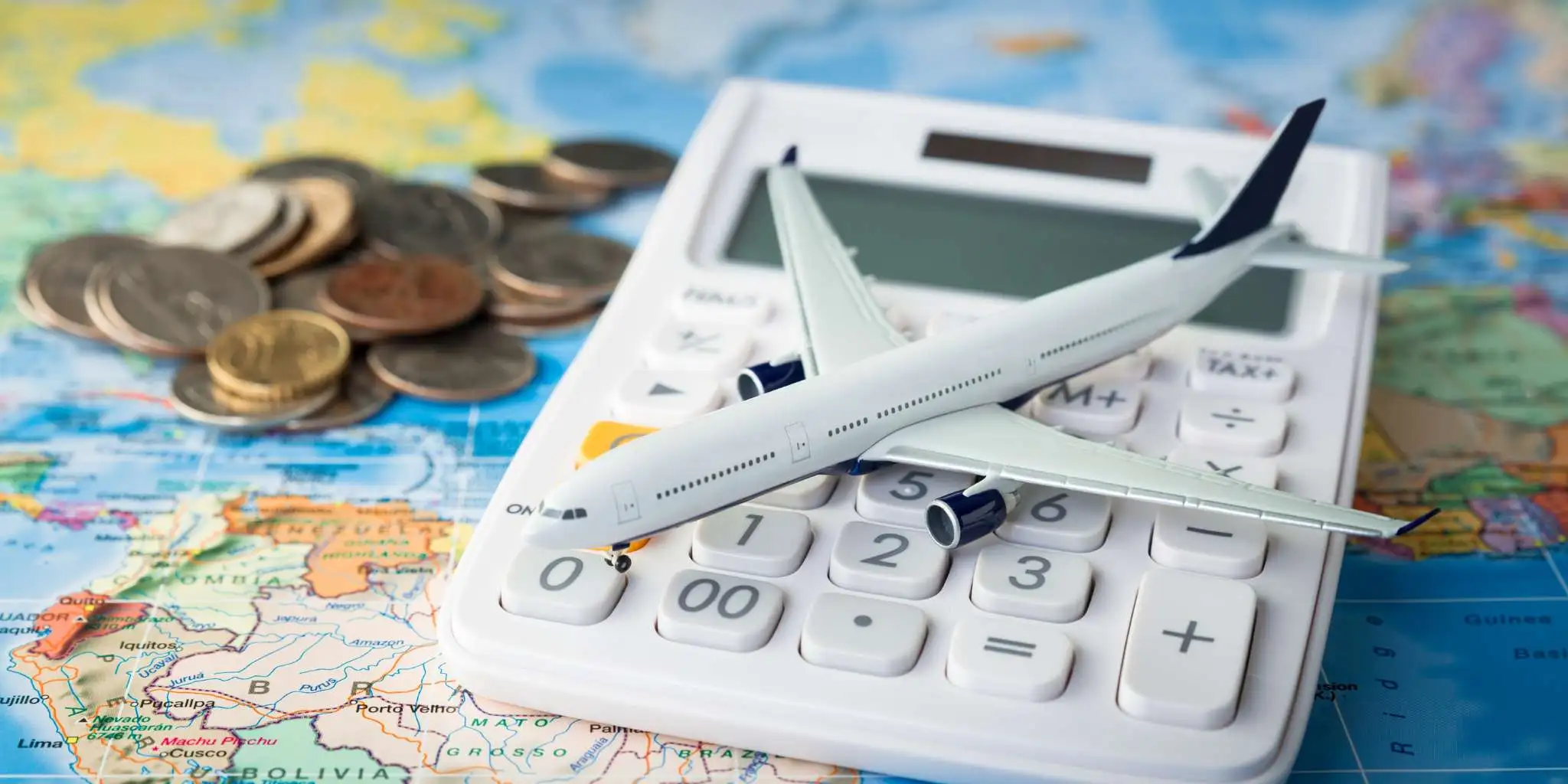
Travel costs can be grouped into various types, each playing a crucial role in shaping the overall expense of a trip. Understanding these cost categories helps travellers manage their budgets effectively and plan smarter trips.
Airfare often represents the most significant portion of travel expenses, particularly for international journeys. Booking flights well in advance is key to securing lower prices. Domestic flights are best booked 4 to 6 weeks ahead, while international flights require a 3 to 6 months lead time. A tool like Autopilot is excellent for monitoring fares and setting alerts for price drops. Travelling mid-week instead of weekends and avoiding peak seasons can also save money.
Flight prices vary depending on distance and season. For example, a domestic round-trip flight in the US might cost around $150 to $400, while a transatlantic flight to Europe could range from $600 to over $1,200. Taking advantage of early-bird discounts or last-minute deals can further reduce costs. Flexibility with travel dates often yields the best savings.
Accommodation costs significantly affect your travel budget and comfort. Comparing options across platforms like Booking.com, Airbnb, and Agoda helps find the best fit for your preferences and wallet. Budget travellers often opt for hostels or shared rooms, usually costing around $20 to $50 per night, while mid-range hotels typically range from $80 to $200 per night. Longer stays in Airbnb rentals can offer savings and the convenience of self-catering.
Location matters greatly; staying near city centres or public transport lines can reduce commuting costs. Always check user reviews on platforms such as TripAdvisor or Google Reviews to avoid unpleasant surprises. Some budget-savvy travellers combine staying in budget hotels with occasional splurges in boutique hotels for a balanced experience.
Daily sustenance and travel within the destination city can add up quickly if unplanned. Local eateries offer affordable meals, often costing $5 to $15 per dish, while dining at mid-range restaurants may cost $20 to $40 per person. Using country-specific apps or researching cheap food markets can help you find budget-friendly dining options.
Public transportation usually provides the most economical way to get around, with daily fares in major cities averaging $5 to $10. Purchasing travel passes such as the Oyster card in London or the MetroCard in New York can bring additional savings. Avoid relying on taxis or ride-hailing apps for short trips as they can inflate your daily transport costs. Walking or renting bikes is often a cheap and healthy alternative.
Activities and entertainment can vary widely in cost, depending on the destination and type of experience. Eintritt tickets, guided tours, or special events might range from $10 to $100 per activity. Many cities offer free walking tours, museums with free admission days, or outdoor parks and festivals that present budget-friendly options.
Booking attractions online in advance often provides discounts and saves time. Consider investing in city passes, which bundle multiple entries at a reduced rate. Balance pricier excursions with free or inexpensive experiences to keep your travel expenditure in check without missing out on rich cultural activities.
Managing currency exchange efficiently can prevent unnecessary costs. Some credit cards offer competitive exchange rates and minimize foreign transaction fees, ideal for international travellers. Monitoring currency trends using apps like XE enables travellers to exchange funds when rates are favourable.
Avoid exchanging currency at airports or hotels where rates can be poor. Using prepaid travel cards allows better control over monthly spending and protects against fluctuating exchange rates. Some travel companies also provide exclusive forex cards with zero markup, further reducing costs related to currency conversion.
Use fare alert apps and price tracking to time flight purchases. Sign up for a travel rewards card that matches your travel style to collect points and reduce net cash outflow. Combine cashback portals with hotel and rental bookings to recover part of the spend. Use an expense tracker app while traveling to prevent overspending and adjust your daily budgets on the fly. Build an emergency fund equal to 10 percent of your trip or a flat 200 to 500 for short trips to cover surprises.
Will you start building a monthly travel savings plan now or use rewards and points to lower the cash needed?

Autopilot monitors premium cabin and business travel for price drops and converts those drops into instant credits. You book a seat, Autopilot monitors the fare, and when an airline lowers the price, the system automatically secures a credit without the need for paperwork or daily checking. For frequent flyers who buy two or more flights each month, this reduces travel expenses, recovers airline refunds in the form of ticket credits, and supports a smarter travel budget.
Autopilot links to your booking reference and tracks real-time fare changes across airline inventories. When a qualified lower fare appears, it files the claim with the carrier or uses airline rules to trigger an adjustment. The result shows up as an airline credit or account balance you can apply to future trips. This fare monitoring replaces manual price alerts and reduces lost savings from missed refunds.
Do you handle multiple monthly flights for work? Business travelers, consultants, and road warriors who fly premium cabins recoup real dollars with little effort. A single lower fare on a business class ticket can generate a few hundred dollars in credits. Multiply that by several flights per month, and those recovered credits become a steady supplement to travel rewards, reward points, and your travel fund.
Pairing automatic fare recovery with a travel savings plan multiplies results. Use Autopilot alongside a travel fund, travel budget app, and airline loyalty strategy to reduce out-of-pocket costs and stretch reward points further. Instead of chasing every deal, let automated price tracking capture refunds and credits while you focus on trip planning and cost-effective travel choices.
Autopilot works with common booking confirmations and many corporate booking tools. It syncs with expense systems, travel management platforms, and travel apps that track itineraries. That means trip data flows into the service without extra work, so travel reimbursements, tracked expenses, and fare adjustments line up in your travel budget.
Autopilot uses secure connections and standard data handling to access booking details only as needed to monitor fares and file claims. Credentials and personal data follow encryption rules and compliance for corporate travel tools. If your company requires specific security measures, Autopilot can work within those controls and audit requirements.
A traveler books a premium cabin ticket for $2,500, and the airline lowers the fare a week later to $2,200. Autopilot files the claim and recovers $300 as an airline credit to use on the next trip. Another frequent flyer who flies monthly recovers early-year credits that offset a large portion of a quarter's travel budget expenses and reduces overall travel spend without changing loyalty strategies.
Connect a booking reference or enable itinerary forwarding so Autopilot can monitor fares. The setup focuses on essential details only, so monitoring starts fast. After the first claims process, you can watch credits appear and add those funds to your travel fund or apply them to future business travel.
Pricing varies by plan but is designed to deliver a positive return for travelers who book multiple flights every month.
Airlines typically issue credits or refunds as an airline account balance, depending on the carrier's rules.
Yes, Autopilot supports many corporate travel tools and can align with company policies and expense workflows.
Award tickets and heavily restricted fares follow airline-specific rules and may not qualify for adjustments.
Timing depends on the airline's response and their processes, but many credits are posted within days after the claim is approved.
Ready to stop leaving money on the table and automate fare recovery for business travel?

